Twelve Members, One Mayor, 364,000 Bosses: How the Anchorage Assembly Works
The Assembly writes the budget, passes the laws and confirms the appointments. A plain-English map of the most powerful room in the Municipality.
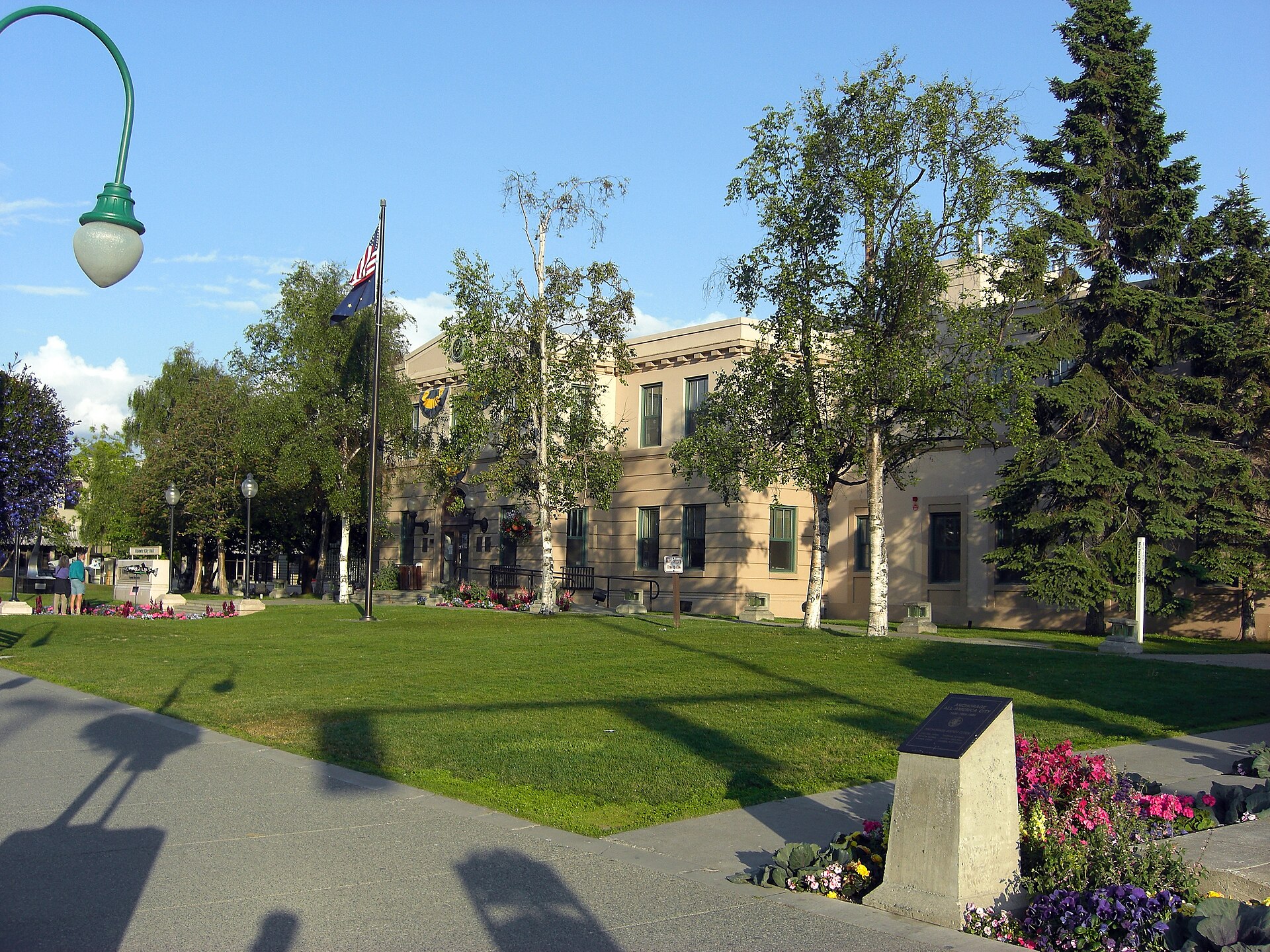
Nearly every decision that shapes daily life in Anchorage — plowing, police staffing, property taxes, the port, the library budget — passes through one room: the Anchorage Assembly chamber at City Hall on West 4th Avenue. Yet for many residents, the Assembly is a body they encounter only when something goes wrong.
The basics: the Municipality of Anchorage is governed by a mayor, who runs the executive departments, and a 12-member Assembly elected from six districts, two members each. Assembly members serve staggered three-year terms. The Assembly passes ordinances, approves the municipal budget, sets the property tax mill rate, and confirms the mayor's senior appointments — a balance of power that makes the chamber the city's true center of gravity.
Assembly regular meetings are held on Tuesday evenings at City Hall and are open to the public, streamed live, and archived. Agendas and the full text of ordinances are posted in advance through the municipal clerk, and every regular meeting includes time for public testimony — three minutes at the microphone, name and neighborhood for the record. Worksessions, where members dig into budgets and briefings without voting, are public as well.
The November agenda in any year is dominated by the budget: the mayor proposes, departments testify, and the Assembly amends and adopts the spending plan that sets everything from snow-removal levels to library hours for the following year. It is the single best window into the city's real priorities, and it happens in public, line by line.
Showing up matters more in municipal government than anywhere else in American politics — a dozen residents testifying in person can and do change votes in a room of twelve. This newsroom will publish the Assembly's agenda in plain language before every regular meeting: what's being decided, what it costs, and how to be heard. City Hall works best when the room isn't empty.